Setting Up a Luxury Game Lodge in Remote Locations: Off-Grid Infrastructure, On-Site Water Bottling, and Sustainable Hospitality
1. The Remote Luxury Paradox: Uncompromising Guest Expectations vs. Off-Grid Realities
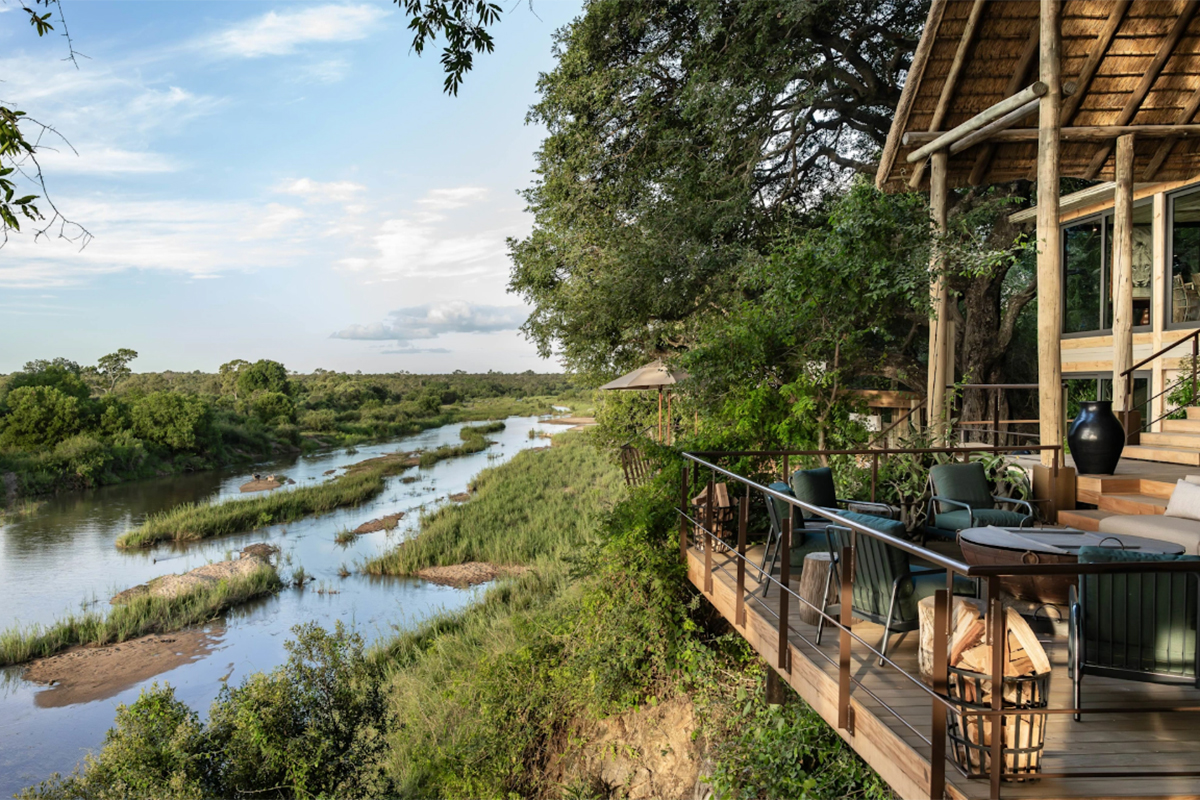
High-end wilderness lodges operate in fragile ecosystems where nature serves as the primary attraction. Properties such as Singita demonstrate how luxury hospitality can seamlessly intertwine with conservation purpose. However, delivering an unhurried, luxury experience in remote locations introduces acute operational friction points:
- Uncompromising Taste & Presentation: Guests paying premium nightly rates expect crystal-clear ice, flawless culinary broths, and polished, ice-cold still or deep sparkling water served in heavy-base, branded glass bottles. Municipal or raw borehole water with high mineral hardness, sulphur, or chlorine odours immediately undermines guest perception.
- Environmental Accountability: Discarding thousands of single-use plastic water bottles in a pristine wildlife reserve damages brand reputation and violates environmental concession agreements.
- Supply Chain Fragility: Remote lodges often rely on weekly gravel-road truck deliveries or costly light-aircraft supply runs. Hauling heavy pre-packaged water bottles across hundreds of kilometers consumes massive freight budgets and risks total stock-outs during peak safari seasons.
Transitioning from imported packaged water to an on-site water optimization ecosystem resolves these conflicting pressures, turning a major logistical liability into a core brand asset.
2. Logistical Challenge 1: Heavy Freight, Diesel Transport, and Supply Chain Vulnerability
Transporting pre-packaged bottled water to remote game lodges is one of the most inefficient logistics practices in wilderness hospitality. Water weighs 1 kilogram per liter; transporting thousands of liters of bottled water in single-use plastic or one-way glass bottles consumes immense transport capacity.
The True Cost of Packaged Water Freight
- Fuel & Carbon Footprint: Hauling liquid cargo across rough, unpaved terrain requires heavy diesel vehicles, generating high carbon emissions that directly contradict a lodge’s eco-tourism positioning.
- Road Damage & Breakage: Corrugated gravel tracks cause severe vehicle wear-and-tear and high rates of glass bottle breakage during transit.
- Storage & Refrigeration Overload: Storing cases of pre-packaged water requires valuable back-of-house square footage and forces lodges to run large, energy-intensive walk-in refrigerators to chill bottles prior to service.
- Stock-Out Exposure: Weather disruptions, flooded river crossings, or vehicle breakdowns can sever supply lines, leaving a full lodge without drinking water during 35°C+ summer heatwaves.
By purifying local source water on-site, a lodge eliminates up to 99% of incoming liquid freight volume, drastically reducing transport costs and diesel fuel consumption.
3. On-Site Hydration Infrastructure: The Topia Flow Bottling Range & Reusable Glass Ecosystem
To achieve complete water independence without sacrificing beverage quality, remote lodges require robust, high-volume on-site processing hardware designed for demanding commercial environments. Topia’s Flow Bottling Range, including models such as the Flow 203 and 205, provides a complete 360-degree hydration ecosystem engineered specifically for luxury hospitality.
[Local Borehole / River Water Intake]
                 │
                 ▼
[Initial water processing - reverse osmosis if required]
                 │
                 ▼

[Multi-Stage Sub-Micron Filtration & Ion-Exchange Scale Protection]
                 │
                 ▼
[Topia Flow 202 Dual-Fill Counter System + Icebank Cooling]
                 │
                 ▼
[High-Speed Dispensing: Chilled Still, Ambient & Deep Sparkling Water]
                 │
                 ▼
[Luxury Reusable Glass Bottles with Heavy Base]
Technical Capabilities of the Topia Flow Bottling Range
- Dual-Fill High-Speed Bottling: The Topia Flow range features dual-dispensing taps designed for rapid bottle filling, allowing staff to fill and cap dozens of bottles per hour during busy meal preparations or prior to morning and evening game drives.
- Icebank Cooling Technology: Equipped with advanced icebank cooling systems, the Flow range delivers high-volume continuous chilling capacity (e.g., 60 to 80+ liters per hour), ensuring water remains ice-cold even during extreme ambient summer temperatures.
- Deep Carbonation Control: The system incorporates precise carbonation injection to produce Topia’s signature “Deep Sparkle”, delivering long-lasting, effervescent sparkling water that matches top-tier imported European mineral brands.
- Flexible Water Configurations: Allows operators to dispense Chilled Still, Ambient, Deep Sparkling, and Hot water from a compact, space-saving footprint.
The Durable Reusable Glass Bottle Ecosystem
On-site water production relies on high-quality container aesthetics. Topia’s proprietary reusable glass bottles are purpose-built for luxury hospitality operations:
1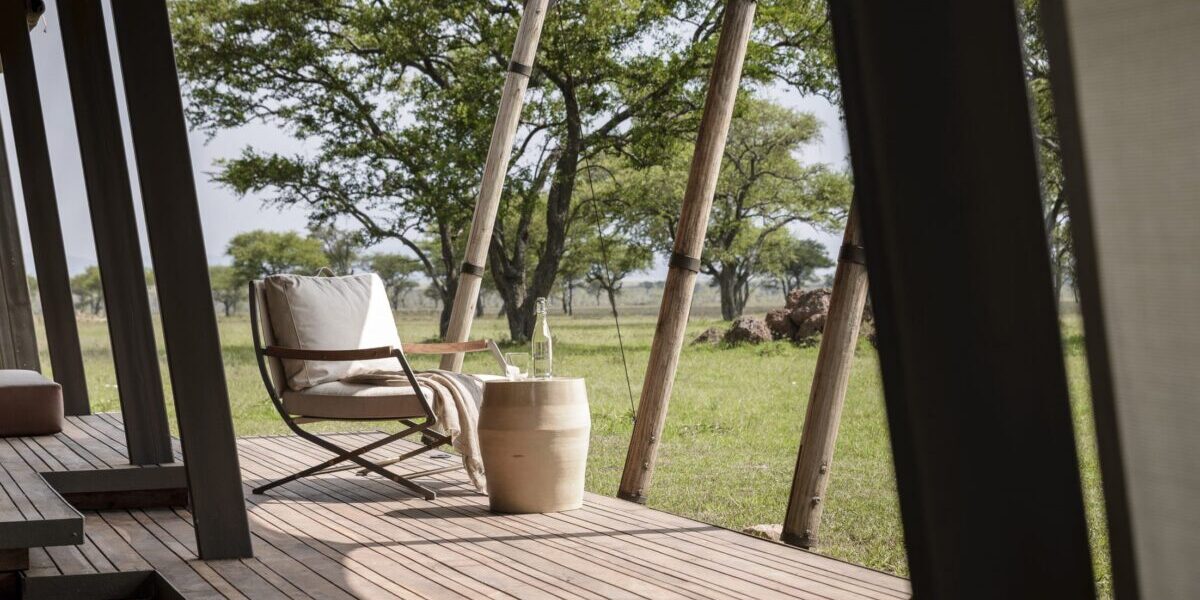
- Heavy-Base Aesthetic & Custom Branding: Crafted with a sturdy, weighted glass base and clean lines.
- Multiple Sealing Options: Available with durable swing-top closures, rip caps, or screw caps, ensuring an airtight seal that maintains carbonation during game drives.
- Dishwasher Safe & Circular Durability: Engineered to withstand commercial high-temperature dishwashing cycles, ensuring flawless hygiene and endless reuse across seasons.
4. Logistical Challenge 2: Off-Grid Power Management & Thermal Energy Efficiency
Remote game lodges operate on microgrids powered by solar photovoltaic (PV) arrays, battery energy storage systems (BESS), and backup diesel generators. High electrical loads from inefficient refrigeration or continuous water boiling can quickly drain battery banks overnight.
Icebank Thermal Storage vs. Direct Chilling
Topia systems employ Icebank Cooling Technology, which acts as a thermal energy battery:
- Peak Solar Utilization: The icebank builds up a cold reserve during peak daytime hours when solar PV output is highest and energy is abundant.
- Reduced Overnight Electrical Draw: During evening dining hours, chilled water is drawn across the pre-stored icebank reserve, requiring minimal active compressor power and reducing nighttime battery strain.
- Low Standby Consumption: Modern systems feature low-power standby modes, consuming as little as 2W when inactive, making them ideal for solar-powered wilderness setups.
Sustainable Technology Integration Note: To optimize off-grid microgrid design, lodge developers often pair Topia’s thermal-efficient bottling units with advanced solar PV and battery storage systems from specialized providers such as Victron Energy or Tesla Powerpack, ensuring seamless power management across all back-of-house operations.
5. Logistical Challenge 3: Water Sourcing, Sub-Micron Filtration, and Equipment Scale Protection
Water sources in remote game reserves typically rely on underground boreholes, surface rivers, or dam catchment areas. Raw wilderness water often carries suspended sediments, high mineral hardness, organic tannins, or municipal treatment chemicals like chlorine, this requires each site to be individually tested to allow for the appropriate water preparation before entering the Topia dispensers.
Topia’s Multi-Stage Sub-Micron Filtration Process
To transform variable raw water into, mineral-balanced drinking water, Topia integrates a rigorous multi-stage filtration process:
- Reverse Osmosis: water quality testing determines whether RO system is required.
- Sediment & Particle Fleece Filtration: Traps suspended solids, rust, silt, and physical debris to ensure crystal clarity.
- Sub-Micron Activated Carbon Absorption: significantly reduces chlorine, pesticides, volatile organic compounds (VOCs), unpleasant odours, and microscopic contaminants, including microplastics, while preserving healthy essential minerals like calcium and magnesium.
- Ion-Exchange Resin Scale Reduction: Reduces carbonate hardness and heavy metals, protecting internal boilers, carbonators, and high-end lodge espresso machines from damaging limescale buildup.
Eco-Infrastructure Integration Note: For complete water cycle management, remote lodges frequently combine on-site drinking water purification with advanced ecological greywater recycling and reed-bed filtration systems provided by specialists like Bio-Microbics or localized wetland treatment engineers, returning 100% of used water safely back to the natural ecosystem.
6. Logistical Challenge 4: Circular Waste Reduction and Architectural Space Optimization
Storing crates of purchased bottled water requires significant back-of-house storage space and forces staff to manage ongoing waste disposal. In wilderness reserves, storing plastic waste attracts wildlife and creates incineration or transport headaches.
Back-of-House Operational Efficiency
- Compact Footprint: A Topia Flow dual-fill unit requires less than 1 square meter of counter space, replacing bulky bottle storage rooms with a streamlined bottling station.
- Simplified Service Workflow: Staff can wash, fill, cap, and store reusable glass bottles directly in dedicated crates. The simple dispensing mechanism reduces labor complexity and ensures fast turnaround between game drives.
- Measurable ESG Impact: Through flow-meter data, lodges can accurately track their annual plastic bottle elimination and carbon footprint reduction, generating clear metrics for sustainability audits and marketing reports.
Sustainable Architecture Note: When designing remote luxury lodges, leading safari architects such as Nicholas Plewman Architects or Fox Browne Creative incorporate modular timber framing, canvas structures, and compact back-of-house service zones that seamlessly integrate Topia on-site bottling stations.
7. Comparative Operational & Financial Matrix: Off-Grid On-Site Bottling vs. Packaged Water Transport
| Operational Dimension | Imported Pre-Packaged Bottled Water | Topia On-Site Flow Bottling System |
|---|---|---|
| Freight & Transport Costs | High ongoing diesel freight & air-charter expense | Zero liquid freight; raw source water processed on-site |
| Single-Use Plastic Waste | Thousands of plastic bottles generated annually | 100% Elimination of single-use plastic bottles |
| Guest Table Aesthetic | Generic plastic or disposable glass bottles | heavy-base luxury reusable glass bottles |
| Supply Reliability | Vulnerable to road closures, floods, and delivery delays | Unlimited, on-demand chilled still & deep sparkling water |
| Back-of-House Footprint | Large storage rooms & heavy walk-in refrigeration | Compact undercounter/countertop unit (<1 m²) |
| Financial Payback | Pure recurring operating expense (OpEx) | Rapid CapEx payback (typically 6–18 months) via eliminated bottle purchases |
8. Remote Lodge Installation Checklist: Step-by-Step Implementation
To ensure a seamless rollout in remote wilderness locations, lodge developers and general managers should follow a structured installation process:
- Water Quality & Flow Audit: Conduct a comprehensive laboratory test of the raw borehole or surface water supply to determine mineral hardness, turbidity, and flow rate.
- Peak Demand Sizing: Calculate maximum daily guest and staff water consumption (factoring in dining rooms, guest room carafes, spa facilities, and game drive bottles) to select the appropriate Flow or Streamline model.
- Power & Space Allocation: Verify solar PV/battery inverter capacity and allocate a clean, ventilated back-of-house counter space with access to a water inlet and drain line.
- Bottle & Accessory Selection: Choose glass bottle capacities (e.g., 500ml and 750ml) and select appropriate closures (swing-top or rip cap or twist seal) along with commercial dishwasher crates.
- Staff Training & SLA Setup: Train lodge staff on simple filling, capping, and glass washing protocols, and establish a service agreement for scheduled filter replacements and preventive maintenance.
By combining sustainable infrastructure, smart thermal energy management, and Topia’s high-performance Flow bottling range, remote luxury game lodges can deliver an uncompromised five-star guest experience while protecting Africa’s wild spaces for generations to come.